Fee-only ADU & small-infill feasibility advisory
Find out if your ADU build is feasible before you spend the money.
Civic Infill Works gives Northern Colorado homeowners, small property owners, and public, nonprofit, and institutional partners a first read on whether a backyard cottage, garage apartment, basement unit, or other type of accessory dwelling unit (ADU) is worth pursuing. The work combines local policy fluency, private and public funding navigation, and construction-cost reality checks before you hire a designer, contractor, or lender.
Serving Northern Colorado and the Front Range
What Civic Infill Works does
Civic Infill Works is a Northern Colorado-based, fee-only feasibility and implementation advisory for ADUs and small infill projects. It sits between the planning counter, the utility question, the construction estimate, the funding path, and the final decision. The goal is not to sell you a plan set, a prefab unit, a construction contract, or financing. The goal is to help you decide what to verify next, what might stop the build, and whether the opportunity is strong enough to justify deeper due diligence.
How Civic Infill Works gets paid is straightforward: clients pay a scoped advisory fee. Civic Infill Works does not rely on undisclosed referral fees, and clients are not required to hire a specific builder, lender, designer, or product vendor after the feasibility work.
- Policy-to-parcel translation that turns city, county, and state-level ADU rules into a practical read on one real property.
- Parcel-specific first read on zoning, site fit, access, utilities, and the hidden constraints that often surface too late.
- Written feasibility memo outlining likely process, cost exposure, decision points, and the questions that could change the build.
- Funding-path analysis for projects that may fit mission-aligned capital, CDFI lending, CRA-motivated bank support, vouchers, LIHTC-adjacent partnerships, subsidies, or other public/private funding sources when clients are willing to accept the restrictions that come with them.
- Public implementation support for municipalities, counties, and mission-driven partners trying to turn state or federal statutes, grant language, and program requirements into a workable local ADU strategy.
- Integrated construction reality check through Alpine West Construction & Restoration, including cost estimates, materials pricing, and build-path input when a client wants implementation support.
- Implementation sequencing that clarifies which professional to call next, in what order, and what each call needs to answer.
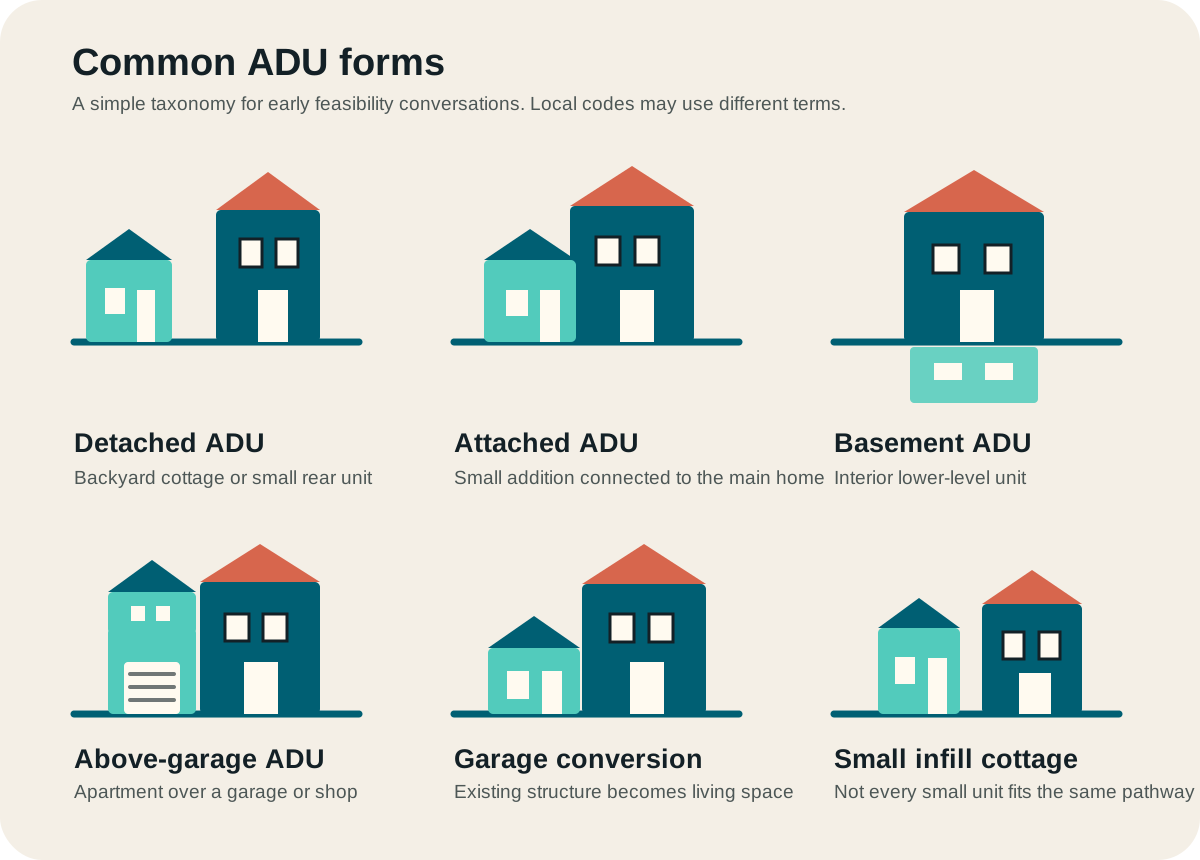
Why this is hard
An ADU looks simple from the outside: a small home tucked onto a lot that already has a house. In practice, it is a coordinated feasibility puzzle: zoning, utilities, access, construction, financing, ownership goals, and operations all have to fit in the right order. One overlooked constraint can change the budget, the timeline, or whether the build is worth pursuing at all.
Code allowance is not buildability
“Allowed somewhere in the code” is not the same thing as “your lot is ready to build.” Setbacks, lot coverage, easements, overlays, and plat notes can disqualify a project that looks fine on paper.
Utilities are an early gate
Water, sewer, septic, and electric capacity can turn a small structure into a costly one. Service upgrades, trenching, or septic capacity often need to be verified before design.
Most cost lives outside the building
Site work, fees, financing, design, contingency, and operations stack up. A construction estimate is not a budget.
Most homeowners hire in the wrong order
Paying for design before answering the zoning, utility, access, and budget questions is the most common avoidable mistake.
Who it helps
Homeowners
Considering an ADU, including a backyard cottage, garage apartment, basement unit, or other small secondary home — for family, aging in place, or rental income.
Small developers & investors
Property owners who understand rental operations but need zoning, site, utility, funding, and construction-feasibility triage before spending serious money.
Realtors & lenders
Trusted advisors whose clients keep asking whether a parcel can support a second unit, and who want a clear, fee-only answer to point to.
Municipalities & counties
Public-sector teams trying to understand the statute, funding source, local code path, partner roles, and practical steps required to make ADU implementation real.
Nonprofits & institutions
Housing, education, health, and community partners exploring whether ADU-style approaches can support caregivers, students, staff, or mission-aligned infill.
Local employers
Businesses and anchor employers looking for practical workforce-housing options that fit local rules, available partners, and real construction constraints.
Feasibility pathways
Start with the level of help your decision actually needs. Civic Infill Works can begin with a parcel-specific first read, a written feasibility memo, a finance-readiness screen, or a larger implementation conversation for public, nonprofit, institutional, and referral partners.
What you get
- Jurisdiction and zoning read for your parcel.
- Site-fit, access, and utility-path observations.
- Likely process and the questions that could change the build.
- Cost-exposure, funding-path, and construction-sequencing framing.
- A written summary that separates green lights, yellow flags, and stop signs.
- A clear next step — including which professional to call and in what order.
Bring to the call
- Address and parcel number, if available.
- Photos of the likely ADU area.
- Rough goals (family use, rental, aging in place, resale).
- Any existing survey, site plan, or utility information.
- Your best estimate of what you can invest or finance.
*The first 10 qualified homeowner clients or mission-aligned partners may be eligible for an introductory launch discount while Civic Infill Works validates its first delivery templates and intake-to-recap process.
Payment is requested only after Civic Infill Works reviews fit. Accepted clients receive a secure payment link or invoice by email. Please do not include sensitive parcel, financing, legal, title, tax, or personal details in payment-app memo fields.
Service areas
Civic Infill Works serves Northern Colorado and the Front Range. Each jurisdiction has its own terminology, process, and utility realities: Larimer County uses Accessory Living Area, Longmont uses ADU, and other Front Range codes may use terms such as accessory dwelling. Civic Infill Works uses ADU as the plain-English umbrella term, then confirms the controlling local term, land-use authority, and parcel rules before anything else.
- Fort Collins — city ADU standards, alley-loaded lots, infill neighborhoods.
- Loveland — city ADU pathways and neighborhood context.
- Greeley — city ADU process and detached-structure standards.
- Longmont — city ADU pathways and Front Range infill context.
- Surrounding areas — nearby city and county jurisdictions where parcel-specific rules, utilities, and process need early confirmation.
Outside this area? Reach out — Civic Infill Works can evaluate select Colorado and U.S. advisory projects when the fit is strong.
Before you spend money on ADU design
A homeowner’s first-step feasibility checklist for Northern Colorado. Seven questions to answer before you hire anyone, plus a quick scorecard to decide whether your property deserves deeper due diligence.
Get the launch checklist by sharing your name and email. If you want Civic Infill Works to look at a real parcel, start the feasibility intake after you review it.
Modest, practical infill is the point
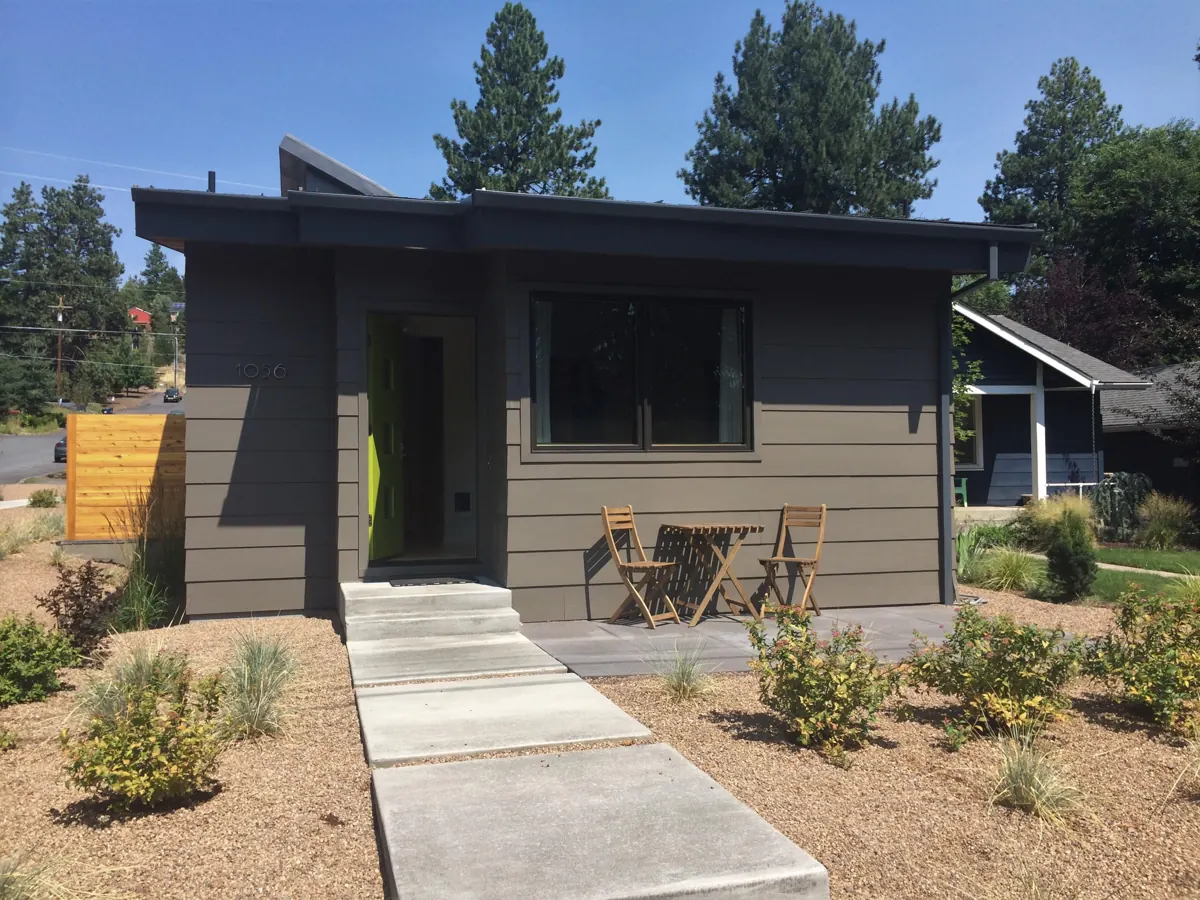
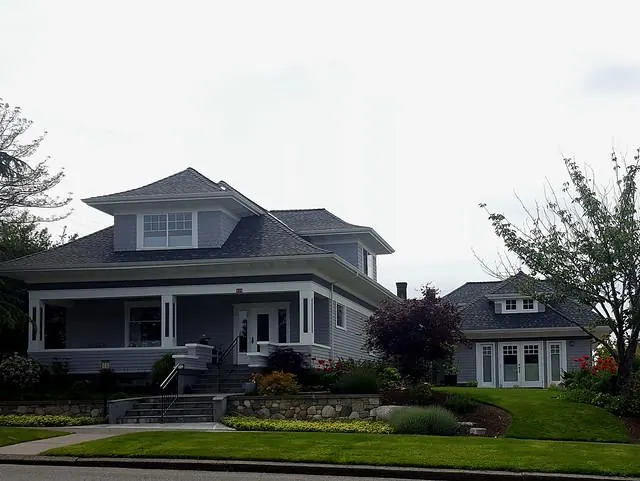
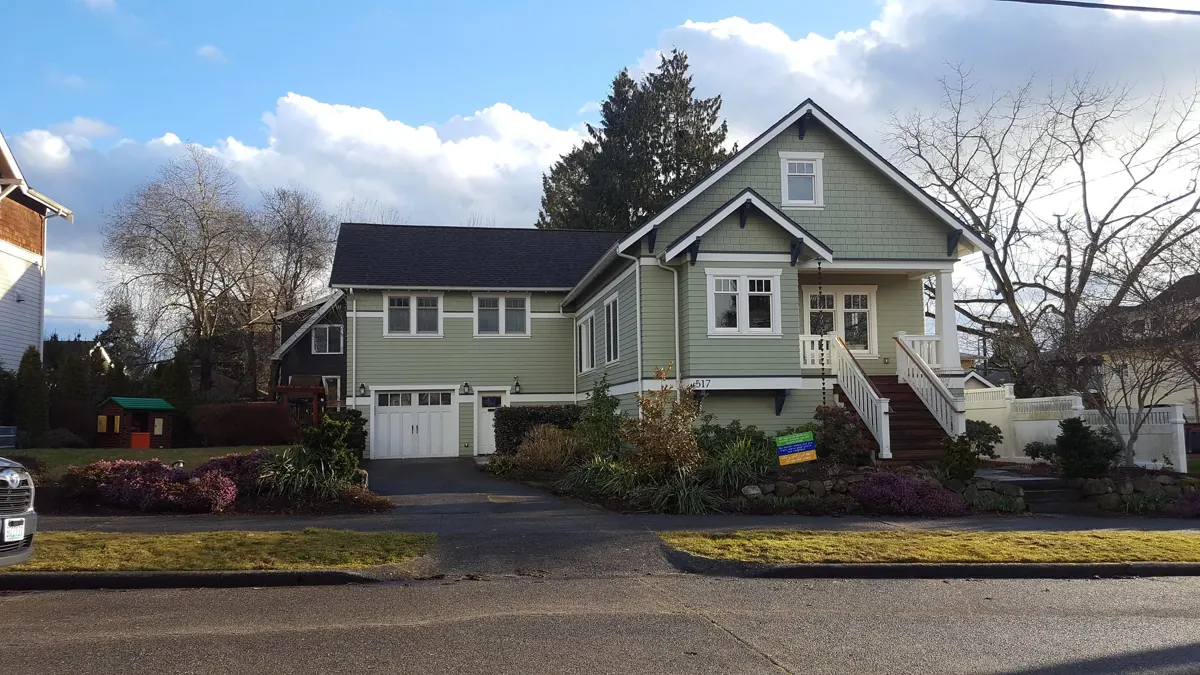
The strongest ADU conversations usually are not about luxury finishes. They are about whether a small unit can fit the parcel, budget, utilities, access, financing path, and long-term use without surprising the owner too late.
How to start
-
Read the checklist
It will tell you whether your property is worth a closer look, and what to bring to a first call.
-
Book a feasibility diagnostic
A parcel-specific first read on zoning, site fit, access, utilities, likely process, cost exposure, funding paths, and construction sequencing — with a written summary and a clear next step.
-
Decide whether the build deserves the next dollar
If yes, Civic Infill Works can sequence the next professional calls. If no, you’ll have saved yourself the money.
What Civic Infill Works does not do
Clear boundaries protect everyone. Civic Infill Works is a fee-only feasibility and implementation advisory — not a city service, builder, prefab seller, lender, or property manager.
- Civic Infill Works does not guarantee zoning approval, permit approval, financing approval, appraisal value, rent, construction cost, or project timeline.
- Civic Infill Works does not provide legal, lending, tax, appraisal, engineering, architectural, surveying, or permit-approval determinations. Those come from the appropriate licensed professional or public agency.
- Civic Infill Works is not a standalone general contractor or prefab seller. Construction estimating, materials pricing, and build support may be available through Alpine West Construction & Restoration; any construction work happens under separate, licensed contract.
- Civic Infill Works is not affiliated with, endorsed by, or a service of any city, county, utility, or Shelterforce.
- Information submitted by email is used to respond to the inquiry. Email is not a secure channel for sensitive financial, legal, title, or personal information.
See the terms, privacy, and professional-boundary notes for the fuller launch-stage disclaimer.